


Unlocking Workplace Safety: Your Guide to Online Manual Handling Training in Ireland
In today’s fast-paced work environment, understanding the art of manual handling is not just beneficial; it's essential. Workplace injuries related to improper lifting or handling can impact productivity, lead to legal liabilities, and disrupt overall workplace harmony. This guide explores why online manual handling training and certification are indispensable for employees and businesses across Ireland.
Why Manual Handling Training is Crucial for Workplace Safety & Legal Compliance
Manual handling, which includes any task that involves lifting, carrying, pushing, or pulling, can pose significant risks without proper training. In Ireland, employers are legally required to ensure the safety of their employees during manual handling activities. Failure to comply with these regulations can result in hefty fines and, more importantly, compromised employee health.
- Risk Identification: Knowing common risks associated with manual handling tasks helps in early identification and mitigation.
- Legal Obligations: Occupational Safety and Health (OSH) laws mandate proper training for employees engaged in manual tasks.
- Insurance Benefits: Engaging in proactive training can lower insurance premiums over time due to fewer claims.
Understanding Manual Handling Risks & How They Impact Productivity
Manual handling injuries can lead to chronic pain and reduced productivity. The Health and Safety Authority (HSA) in Ireland reveals that many workplace injuries are preventable through proper training and risk assessments. Online manual handling training allows employees to
Enhance Recognizing Risks
- To handle loads safely and efficiently.
- To adopt ergonomic principles that protect their bodies.
- To identify potential hazards in their immediate environment.
Legal Requirements for Manual Handling Training in Ireland
Every employer in Ireland must ensure that their employees receive training on how to safely perform manual handling tasks. Legal obligations require that training encompass:
- The principles of safe lifting and carrying techniques.
- Awareness of back safety and ergonomic lifting practices.
- Instruction on risk assessment procedures related to manual handling tasks.
Online courses provide flexible access to this essential training, allowing employees across Dublin, Cork, Galway, Limerick, Waterford, and Belfast to comply efficiently with these regulations.
How to Lift Safely: Best Practices for Injury Prevention
Employing proper lifting techniques is vital in reducing the risk of injury. Here are some best practices:
- Plan Your Lift: Ensure the path is clear of obstacles.
- Get Close to the Load: Stand as close to the load as possible.
- Use Your Legs: Bend your knees, not your back, when lifting.
- Keep the Load Close: Hold the load close to your body to maintain balance.
- Know Your Limits: Don’t attempt to lift what is too heavy for you.
The Benefits of Online Manual Handling Certification for Employers & Employees
Choosing online manual handling training offers numerous advantages:
- Accessibility: Employees can engage with the material at their own pace.
- Cost-Effectiveness: Save on travel expenses and time away from work.
- Consistent Training Experience: Every employee receives the same high-quality training.
With our certified manual handling courses, businesses can ensure that their workforce is trained effectively, leading to a safer work environment.
How to Get Certified in Manual Handling Online: A Step-by-Step Guide
- Select the Course: Choose the appropriate online manual handling certification course.
- Register: Sign up through our website.
- Complete Training: Follow the online modules and complete assessments.
- Receive Certification: Obtain your certification upon successful course completion.
Why Online Manual Handling Training is More Effective Than Traditional Methods
Online training provides flexibility, enabling employees to learn in an environment where they feel comfortable. With interactive modules and real-world scenarios designed to engage learners, online training has shown to be more effective than traditional classroom settings. It allows for:
- Self-paced learning to suit individual schedules.
- Accessible resources for better understanding and retention.
- Consistent messaging across the organization, which is critical for compliance.
Common Workplace Injuries & How Training Helps Prevent Them
Understanding the types of workplace injuries that can occur as a result of poor manual handling practices is critical:
- Back Injuries: Often due to poor lifting techniques.
- Muscle Sprains and Strains: Common in repetitive lifting situations.
- Fractures: Resulting from falls when handling loads improperly.
Through comprehensive training, employees learn how to avoid the common pitfalls associated with manual handling, leading to a healthier workplace overall.
Best Practices for Safe Manual Handling in Various Industries
Different industries have unique challenges regarding manual handling. Here are tailored tips for specific sectors:
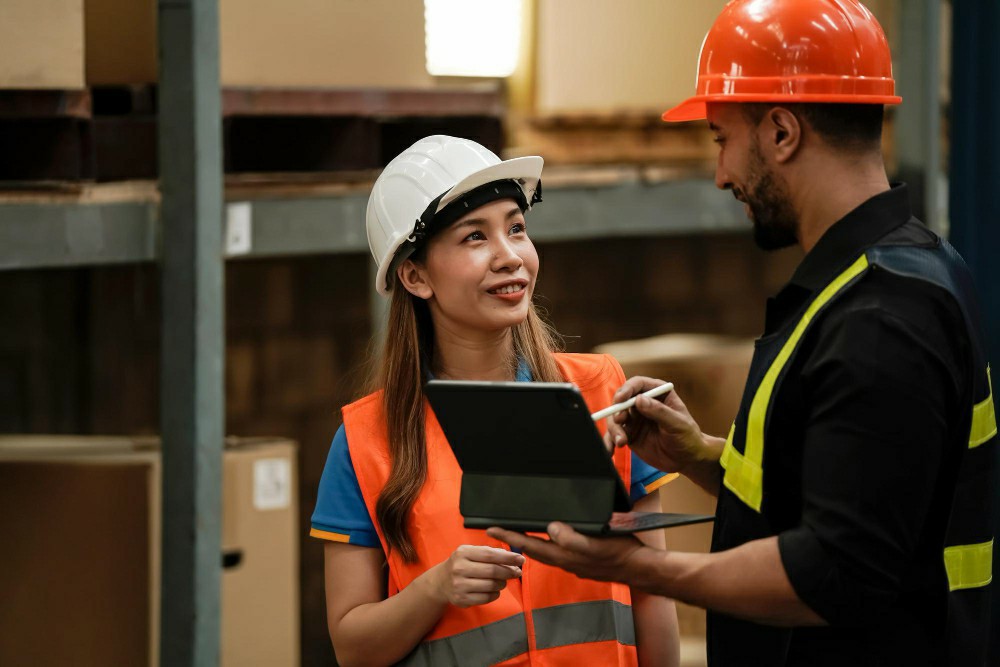
Warehouse Workers
- Utilize pallet jacks and forklifts when necessary.
- Engage in team lifts for heavy items.
Construction Employees
- Wear appropriate personal protective equipment (PPE).
- Secure loads before lifting to prevent accidents.
Healthcare Staff
- Utilize hoists and lifting aids for patient transfers.
- Participate in regular training refreshers to stay up to date.
Conclusion & Call to Action
In conclusion, online manual handling training is a vital investment for Irish businesses to ensure workplace safety, compliance, and employee health. Don’t wait until an injury occurs; prioritize training today!
Ready to enhance your workplace safety? Enroll in our Online Manual Handling Course now or contact us at [email protected] for more information.