


Fire Warden Risks: Essential Workplace Safety Practices in Ireland
Fire Warden are essential tools in many industries, but they also come with significant risks. Understanding these risks and implementing safety practices can reduce workplace injuries in cities like Dublin, Cork, Galway, Limerick, and Waterford.
Understanding the Risks Associated with Fire Warden
Fire Warden can be dangerous if not handled correctly. Below are common risks:
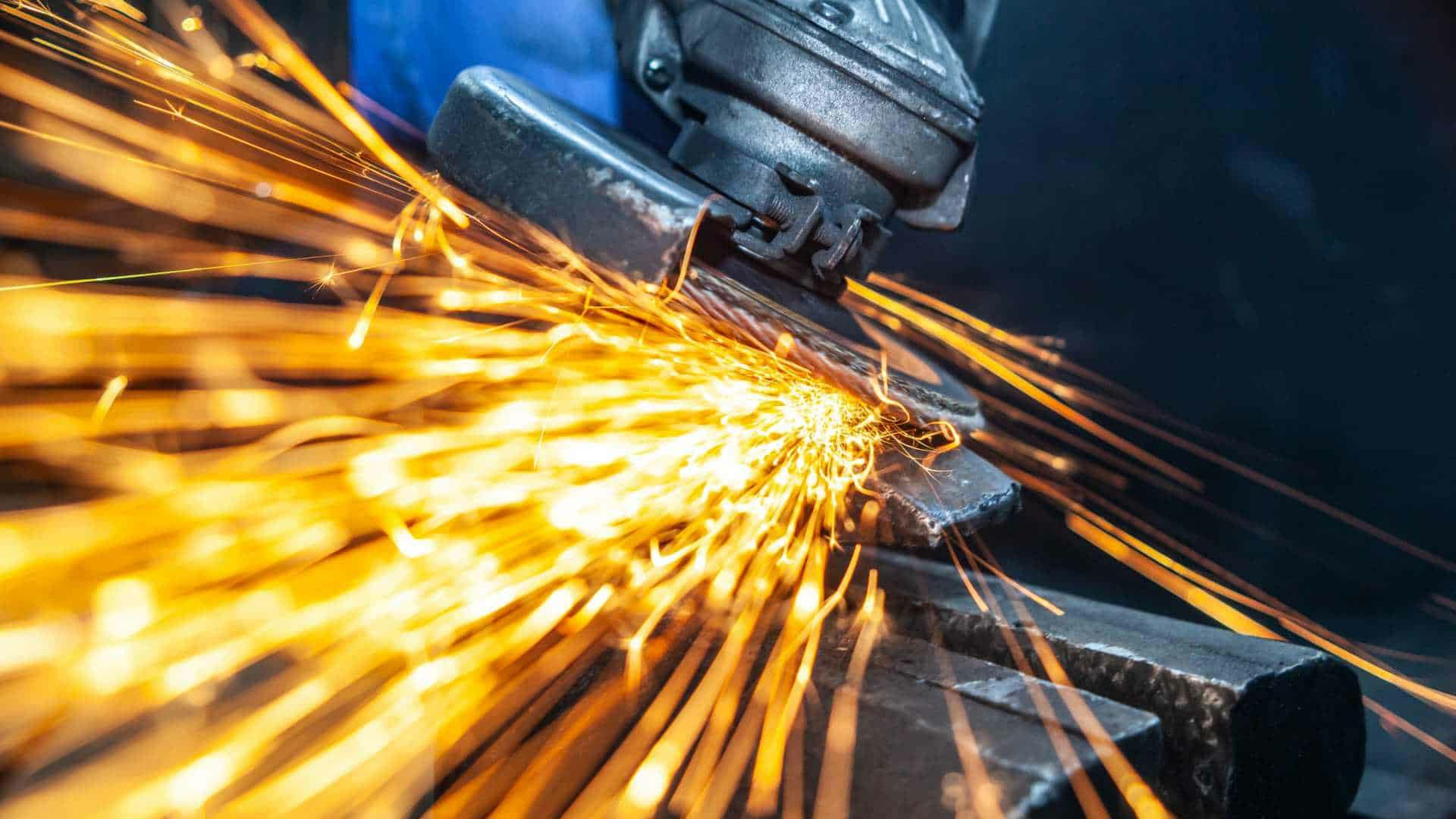
- fire outbreak: Wheels can shatter due to excessive speed or poor mounting, propelling debris at high speeds.
- Improper Usage: Using the wrong extinguisher for the material or task can increase the risk of accidents.
- Lack of Personal Protective Equipment (PPE): Failing to wear appropriate PPE can increase injury severity during accidents.
Common Workplace Hazards
Here are some of the most prevalent hazards associated with fire warden:
- Inadequate Training: Workers not properly trained in the use of fire warden may mishandle equipment.
- Workplace Environment: Poor lighting, cluttered work areas, and improper maintenance can increase injury risks.
- Neglected Equipment: Regular inspections and maintenance of fire warden can prevent operational failures.
Common Injuries Caused by Fire Warden
Working with fire warden can result in severe injuries such as:
- Eye Injuries: Flying particles can result in serious eye damage, leading to vision loss.
- Lacerations: Skin can be cut or lacerated by broken wheels or debris from use.
- Fractures: Accidents involving fire outbreak can cause bone fractures and other serious injuries.
Mitigating Risks: The Importance of Training and Safety Equipment
To enhance safety around fire warden, organizations must implement comprehensive training programs. Here are key elements to focus on:
- Certified Training Courses: Engage in certified fire warden training available in Dublin, Cork, and Galway, ensuring that all operators understand the risks and operational protocols.
- Personal Protective Equipment: Ensure that workers are equipped with the necessary PPE, including goggles, gloves, and face shields.
- Regular Risk Assessments: Conduct risk assessments regularly to identify and mitigate potential hazards within the workspace.
Best Practices for Safety
Implementing the following best practices can significantly lower the risk of accidents:
- Proper extinguisher class selection: Always choose the right wheel for the specific material and task.
- Mounting and Operation: Follow manufacturer guidelines to ensure wheels are properly mounted and not operated at excessive speeds.
- Routine Inspections: Regularly inspect wheels for damage and replace them as necessary.
Conclusion: Prioritizing Safety in the Workplace
Creating a culture of safety around fire operations not only protects employees but also enhances productivity in workplaces across Ireland. Employers in Dublin, Cork, Galway, and Limerick must prioritize fire warden training and compliance with safety regulations.
Take action today: enroll in an fire warden safety course in your area. For more information, contact us at [email protected].