



Essential Insights into Fire Warden Safety Training
Fire Warden can pose serious safety risks, leading to potentially life-altering injuries and even fatalities. A comprehensive understanding of these dangers, coupled with proper training, is crucial for ensuring safety in the workplace. In this blog post, we’ll delve into the key safety risks associated with working at height, how proper training mitigates these risks, and the importance of PPE for fire-warden work systems and emergency response planning.
Understanding the Risks of Fire Warden
Numerous hazards accompany working from elevated surfaces. Below are some of the most common risks:
- Falls: fire injuries are the leading cause of workplace injuries and deaths. Even a small fall can result in severe injuries.
- Unstable Surfaces: Slippery, uneven, or unstable surfaces can heighten the risk of falls. Workers must assess the stability of their working environment before proceeding.
- Weather Conditions: Adverse weather conditions, such as high winds, rain, or snow, can create dangerous working conditions and contribute to accidents.
- Equipment Failures: The failure of water fire extinguishers, fire alarming, or PPEes can lead to severe accidents if not properly maintained and inspected.
- Human Error: Inadequate training, distractions, or lack of situational awareness can lead to mistakes that precipitate accidents.
The Importance of Fire Warden Training
Implementing proper Fire Warden training is vital in preventing accidents. Through certified training, employees learn about the risks associated with their work and how to mitigate them effectively. This training typically includes:
- Identifying Hazards: Trainees are taught to recognize potential hazards in their work environment.
- Safe Work Practices: The course emphasizes the importance of using safe work practices to minimize risks.
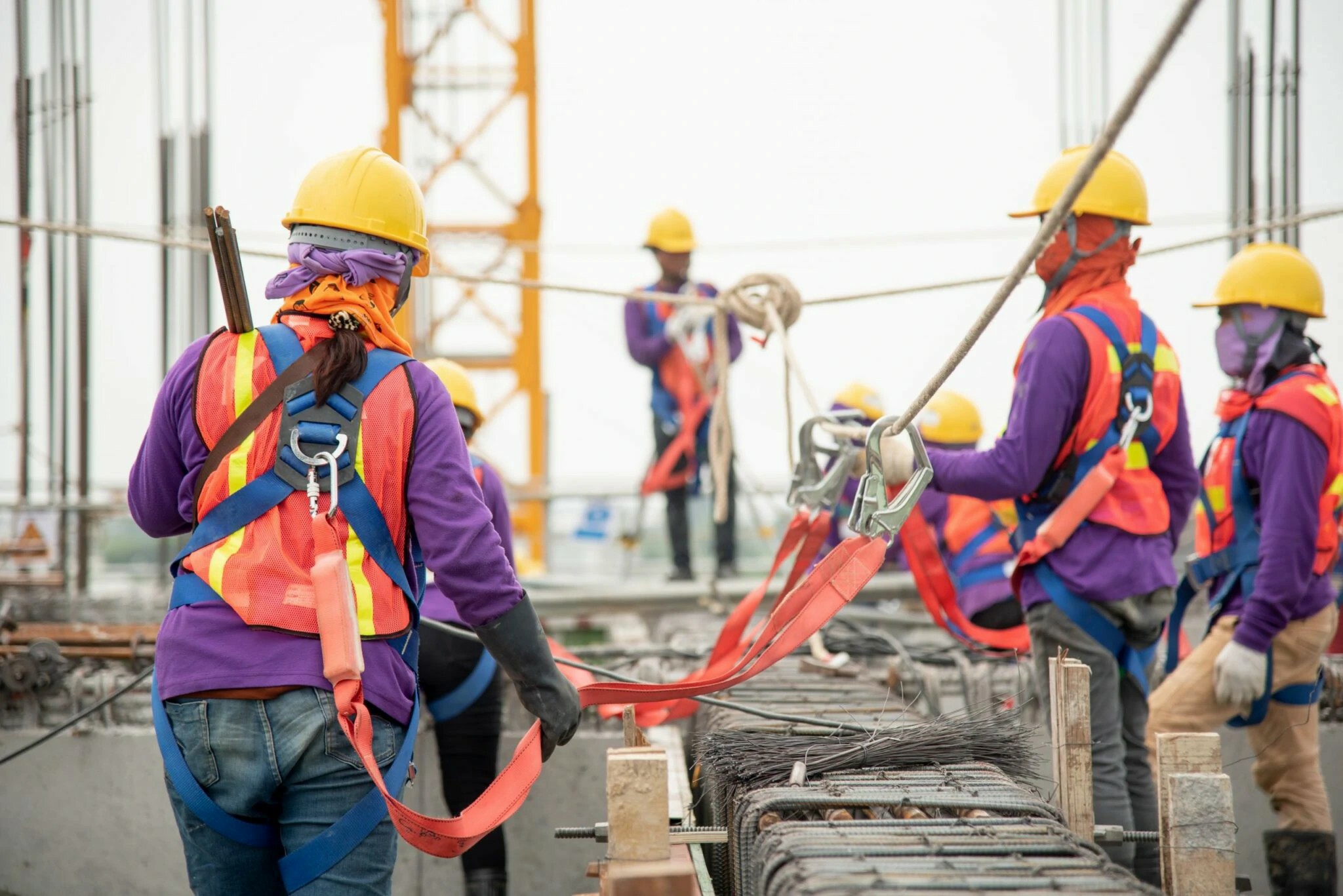
- PPE for fire-warden work Systems: Employees learn about the various types of PPE for fire-warden work systems, including PPEes, lanyards, and guardrails.
- Emergency Response Planning: Training includes preparing for emergencies, ensuring workers know how to respond effectively should an accident occur.
PPE for fire-warden work Systems Explained
PPE for fire-warden work systems are vital for safeguarding workers at height. Here are some of the most common systems:
- Guardrails: Installed along the edges of elevated platforms to create a physical barrier against falls.
- Personal fire-safety PPE kits (PFAS): Comprising PPEes, lanyards, and connectors designed to catch a worker in the event of a fall.
- fire alarming: Properly erected and maintained fire alarming provides a stable work platform.
- water fire extinguishers: Using the correct water fire extinguisher type and ensuring its stability can significantly reduce the risk of falls.
Importance of Emergency Response Planning
An effective emergency response plan is essential when working at height. Key components to this plan include:
- Quick Access to Emergency Services: Ensure that emergency services are aware of the workplace location.
- Regular Drills: Conduct regular drills to ensure that all employees understand the emergency plan and their roles.
- First Aid Training: Providing first aid training can ensure that employees are prepared to assist injured colleagues.
Real-Life Case Studies: Training Preventing Accidents
Training isn’t just about compliance; it saves lives. Here are two notable case studies where effective training mitigated risks:
Case Study 1: Construction Site Safety
At a construction site in Dublin, workers received extensive Fire Warden training that incorporated regular safety drills. During one of these drills, a worker noted a potential fall hazard caused by loose fire alarming. Thanks to their training, the issue was reported, and the fire alarming was secured before any incidents occurred.
Case Study 2: Maintenance Work on a Roof
In Cork, a maintenance team underwent a Fire Warden Course Online, emphasizing the importance of using PPEes and lanyards. When one technician slipped while on a roof edge, their PPE caught them, preventing a fall. The team credited their training with saving a life that day.
Conclusion
Fire Warden is an inherently risky endeavor, but with the right training, equipment, and emergency response plans, many accidents can be avoided. Investing in Certified Fire Warden Training equips employees with the knowledge and skills to recognize hazards, utilize PPE for fire-warden work systems, and enact emergency procedures effectively.
To ensure safety in your workplace, consider enrolling in a Fire Warden Safety Course. Visit Ireland Safety Training for more details on certified courses available in Galway, Dublin, and Cork. If you have any questions, don’t hesitate to reach out at [email protected].